
Key Takeaways
- CENTCOM has struck over 170 Iranian targets since the ceasefire collapsed around July 7, 2026.
- Brent crude rose above $83 a barrel on Monday as Iran targeted tankers near the Strait of Hormuz.
- Bitcoin fell to $61,750 on July 13 as DP World and the UAE accelerate zero Hormuz port plans.
The renewed fighting traces back to attacks on commercial vessels near the Strait of Hormuz around July 7 and 8. Iran struck tankers, including a Saudi oil vessel and a Qatari LNG carrier, in what Tehran described as a response to non-compliance with its shipping corridors. The U.S. viewed the attacks as unjustified aggression against freedom of navigation.
CENTCOM answered with waves of precision strikes. One round alone was said to have hit roughly 90 targets. Officials say the cumulative total across recent days has topped 170, striking Iranian air defenses, missile and drone storage sites, coastal radar, and small naval boats tied to the Islamic Revolutionary Guard Corps (IRGC).
Iran retaliated against U.S.-linked positions in Bahrain and Kuwait. Iranian sources reported casualties and damage in coastal cities, including Bandar Abbas and Bushehr. The U.S. has moved more than 20 warships into the region as both sides weigh their next steps.
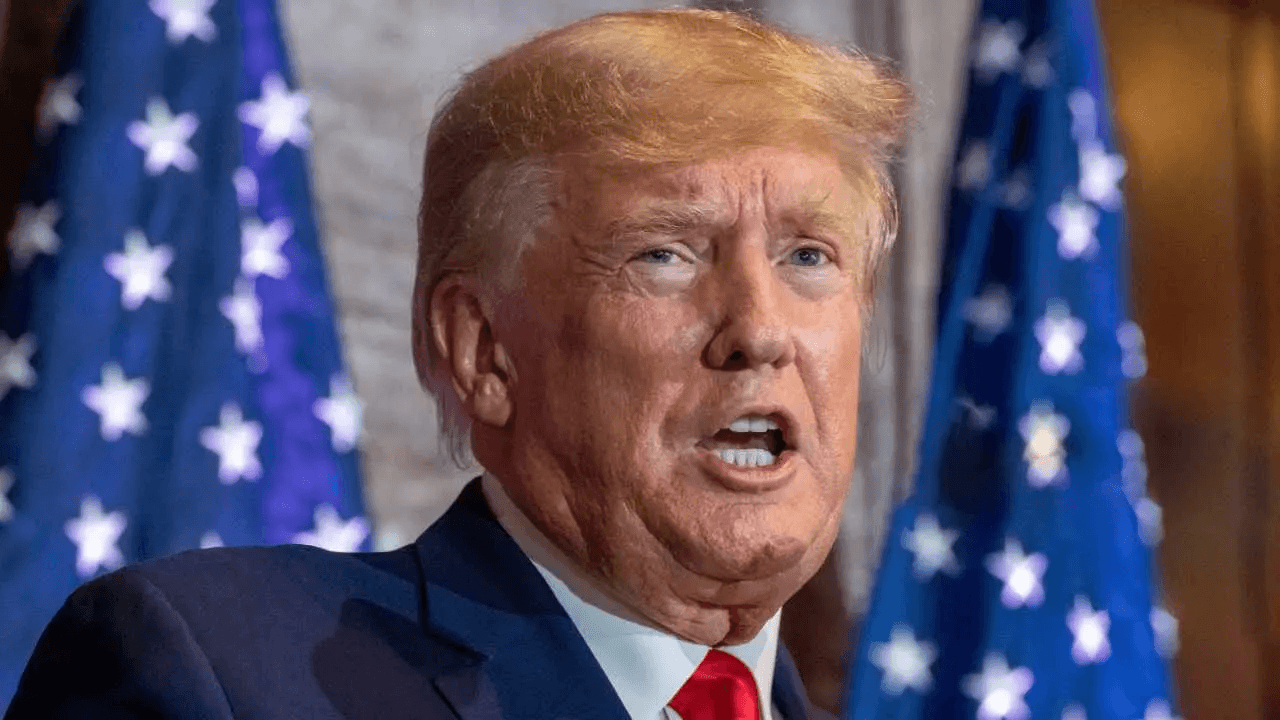
Speaking from a NATO summit in Ankara, Trump called the ceasefire finished and said Iran would face a “20 to 1” response if shipping attacks continue. He left room for talks but signaled little patience for further delay.
Hormuz Traffic Impaired, Not Closed
The Strait of Hormuz carries close to 20% of global oil trade. Iran has claimed control over parts of the waterway and threatened closure, but shipping data shows vessels are still moving through, often with naval escorts and rerouted paths. The ambiguity between Iranian claims and U.S. assurances is itself feeding a risk premium into oil markets.
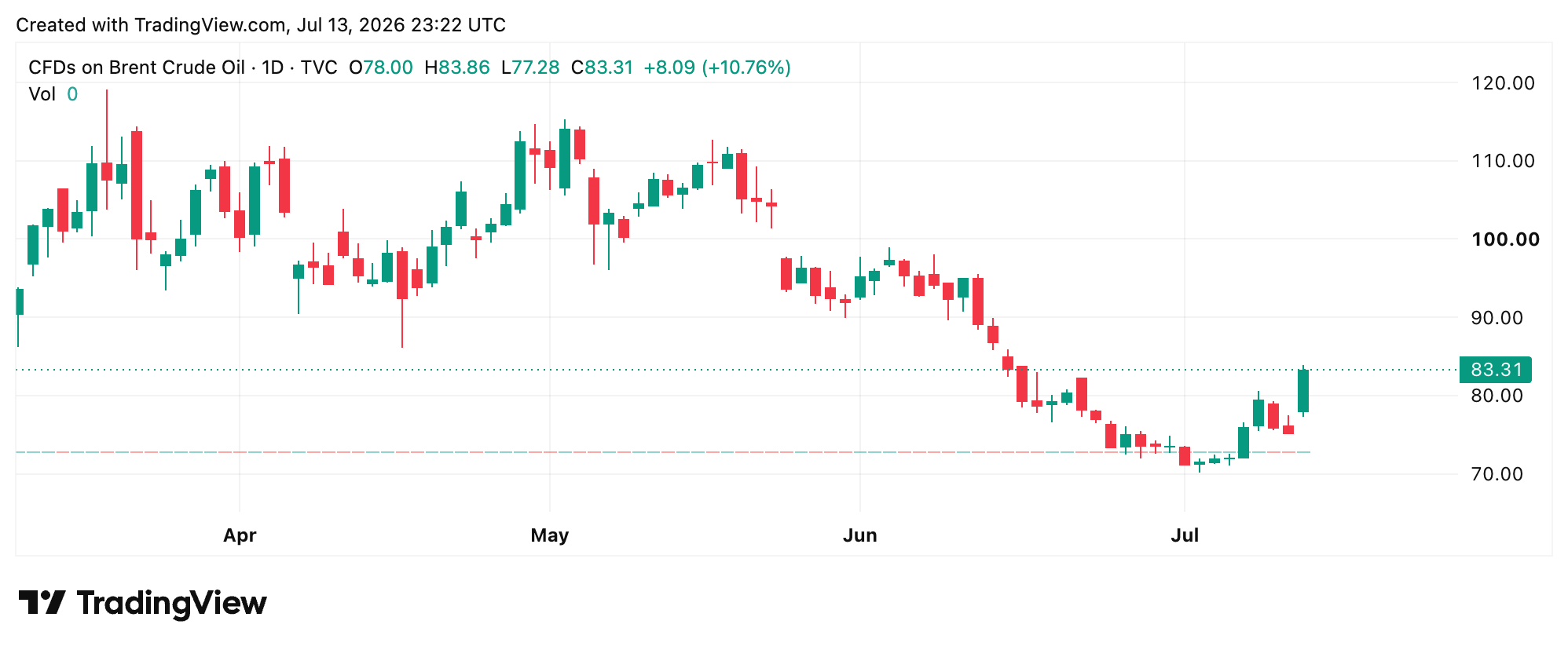
Brent crude climbed more than 10% to trade above $83 a barrel. West Texas Intermediate Crude (WTI) jumped nearly 2% to $78.68. Energy stocks held up better than the broader market as investors priced in the chance of prolonged disruption. Bond yields ticked higher in some regions on inflation concerns tied to costlier oil.
UAE Moves to Cut Hormuz Reliance
The United Arab Emirates is accelerating a long-standing plan to route trade around the strait entirely, according to a report from the publication Arabian Gulf Business Insight (AGBI). UAE Minister of Foreign Trade Thani Al Zeyoudi stressed that the country is working toward “zero Hormuz dependency,” regardless of whether the waterway stays open.
Dubai-based DP World is in talks for a new port and container terminal near Fujairah, on the Gulf of Oman side of the UAE, positioned to receive cargo without ever passing through Hormuz. Planners are also fast-tracking a second west-east pipeline and new rail and road links connecting oil fields to eastern export points. The existing Habshan-Fujairah pipeline already moves about 1.8 million barrels a day outside the strait.
Officials are targeting meaningful new capacity within one to two years. The push predates the current conflict, but recent tanker attacks have turned a long-term diversification plan into an urgent build-out.
Markets React, Bitcoin Falls With Equities
It was a down day across Wall Street as there was a uniform drawdown across all major indices. The tech-heavy Nasdaq Composite bore the brunt of the selling pressure, plunging 408.43 points to settle at 25,873.18. Blue-chip stocks also faced significant headwinds, with the Dow Jones Industrial Average retreating 138.37 points to close at 52,498.64.
The broader market reflected this negative sentiment as the S&P 500 dropped 60.05 points to finish at 7,515.34. Conversely, the NYSE Composite displayed relative resilience amid the wider sell-off, posting a comparatively mild decline of just 29.03 points to end the session at 23,896.05. When U.S. markets closed, Asian equities also dropped on the news, with South Korean chip stocks among the hardest hit.
At 7:30 p.m. EDT on Monday evening, U.S. futures softened as traders weighed the odds of a longer conflict. Bitcoin tapped an intraday low of $61,750 on Monday, settling near $61,900 to $62,000, down 3% on the day. The move tracked broader risk-asset selling rather than any safe-haven bid. Throughout this specific military conflict, bitcoin has behaved more like a high-beta tech stock than a hedge, falling alongside equities instead of against them.
Higher oil prices and inflation worries also complicate the picture for the Federal Reserve. Chair Kevin Warsh is set to face questions from Congress this week, with energy-driven inflation likely to come up.
What Comes Next
Trump has stated that the current round of strikes could wrap up quickly if Iran halts attacks on shipping. Iran maintains it is defending its sovereignty. Neither side has signaled an off-ramp beyond the possibility of renewed talks.
Traders, shippers, and central bankers are now watching the same set of signals: daily CENTCOM updates, oil inventory data, and any sign that Hormuz traffic is slowing further. A durable ceasefire or the UAE’s bypass infrastructure reaching scale could both ease pressure on prices. Another round of tanker attacks would likely do the opposite.
For now, the conflict sits in a familiar pattern for 2026: contained strikes, disputed claims over the strait’s status, and markets pricing in risk without full clarity on how far either side intends to go.
The current fighting is itself a resumption. The broader U.S.-Iran conflict traces back to strikes that began in early 2026, when the U.S. and Israel coordinated action against Iranian missile programs, nuclear ambitions, and naval assets. A ceasefire reached in June, reportedly with help from Pakistan in brokering talks, paused that fighting and opened a window for wider negotiations. It included limited sanctions relief tied to Iranian oil sales. That window closed once the tanker attacks began in July.
Gulf producers, including Saudi Arabia, face export exposure if Hormuz traffic slows further. The U.S. and allied governments hold contingency plans built around stockpiles and alternative production, but near-term disruption would still work its way into fuel and shipping costs for consumers well beyond the region.
Market Updates,Bitcoin (BTC),Donald Trump,Iran,OIL,United States US,us equities,WarBitcoin (BTC),Donald Trump,Iran,OIL,United States US,us equities,War#Trump #Torches #Iran #Ceasefire #Brent #Crude #Tops #Bitcoin #Sinks #62K1783988807