
Russia’s new law licenses exchanges and grants holders legal protection, but the provision with real teeth is the carve-out for cross-border trade settlement.

Original Image Credits: FotoField / Shutterstock.com
Posted August 6, 2026 at 5:35 am EST.
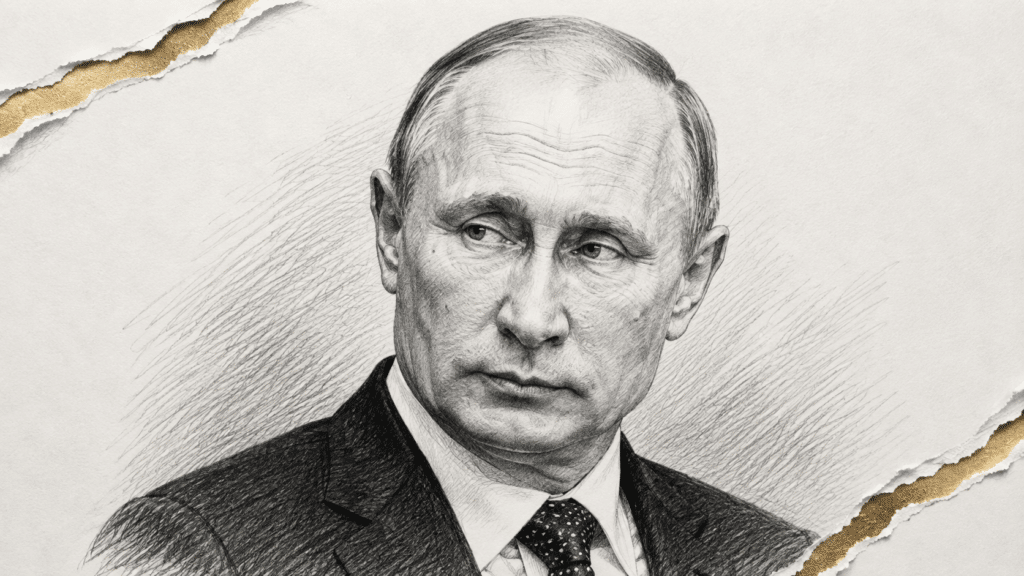
Russian President Vladimir Putin signed the country’s first comprehensive law governing digital currencies and digital rights on Tuesday, according to TASS, replacing years of legal ambiguity with a licensed market structure. The law sets operating rules for crypto exchanges, digital depositories, brokers, management companies, trade organizers, and clearing houses, and it also covers mining and the issuance of digital financial assets.
Only firms entered in a special registry may conduct digital currency exchange activity, though they can operate without registration until July 1, 2027. The minimum equity requirement is 15 million rubles, roughly $187,339. Russia defines exchange activity as two or more buy or sell transactions in a single month totaling more than 3.5 million rubles, about $43,712, executed outside organized trading. Those firms must also join a financial market self-regulatory organization.
This story is an excerpt from the Unchained Daily newsletter.
Subscribe here to get these updates in your email for free
The law divides investors into two tiers. Non-qualified retail buyers may purchase only the most liquid cryptocurrencies through intermediaries, capped at 300,000 rubles, about $3,700, a year per intermediary, while qualified investors face no ceiling. Both must pass suitability testing, and traders can earn qualified status partly on the strength of their transaction history.
Russia also kept its ban on using crypto to pay for goods and services and extended it to advertising, then carved out settlements under foreign trade contracts between residents and non-residents, handing sanctioned Russian companies an alternative channel for cross-border payments.
Enforcement runs partly through banks: if a credit institution or the branch of a foreign bank suspects a transfer involves an unauthorized exchange provider, it must block the funds. The law also guarantees judicial protection for digital currency holders regardless of whether those assets were previously declared, a provision likely aimed at drawing undeclared holdings into the formal system. Clearing houses may transact in digital currencies without registration or a broker when settling defaults or meeting obligations to participants.
Core provisions take effect Sept. 1, the same day Russia begins the staged rollout of its digital ruble. Restrictions on money transfers and rules for non-resident digital depositories follow on July 1, 2027, with technical provisions for digital financial assets arriving Sept. 1, 2027. Existing exchange operators get until March 1, 2027, to comply. The State Duma cleared bill No. 1194918-8 in its second and third readings on July 21, months after policymakers floated separate stablecoin rules and a plan to let banks run exchanges under existing licenses.
Related Listen: Kristin Smith on Why the Clarity Act Comes Down to a Memecoin
AI-assisted content: This article was produced with the assistance of AI tools and was reviewed, edited, and fact-checked by a member of the Unchained editorial team before publication.
Regulation,crypto regulation,Russia,Vladimir Putin,yahoocrypto regulation,Russia,Vladimir Putin,yahoo#Putin #Signs #Russias #Comprehensive #Crypto #Law #Capping #Retail #Buys #Year1786017755