
U.S. inflation accelerated more than expected in April, rattling crypto markets and reinforcing fears that the Federal Reserve may keep interest rates higher for longer.
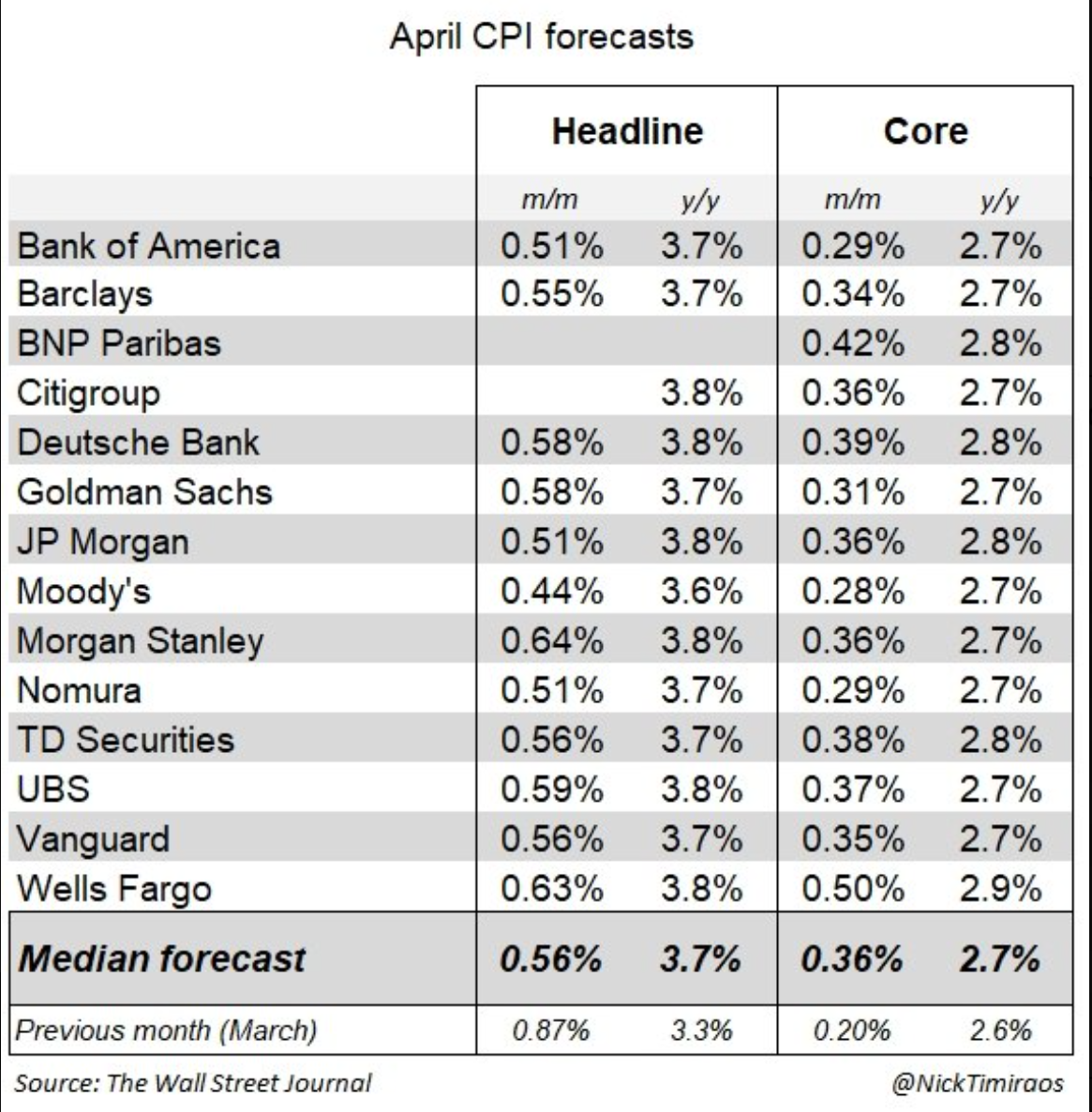
Bitcoin and other risk assets turned volatile after headline CPI rose to 3.8% year-over-year, above Wall Street expectations of 3.7%, while core inflation also came in hotter than forecast.
Inflation Comes in Hotter Than Expected
The latest U.S. Consumer Price Index report showed inflation pressures remain stubborn despite months of cooling hopes from investors.
April CPI rose 3.8% year-over-year, beating consensus estimates of 3.7%. Core CPI, which excludes food and energy prices, climbed 2.8% year-over-year versus expectations of 2.7%.
Markets were already bracing for a strong inflation print after analysts warned that rising gasoline prices, geopolitical tensions, and persistent shelter costs could push the numbers higher.
Several major Wall Street banks, including JPMorgan, Deutsche Bank, and UBS, had projected elevated readings ahead of the release.

The hotter-than-expected report immediately raised concerns that the Federal Reserve could delay interest rate cuts deeper into 2026.
Before the data release, investors wagered a 97.6% change the Fed would hold rates steady at its June meeting. The latest inflation data is likely to reinforce that stance.

Bitcoin and Risk Assets Face Pressure
Crypto traders entered the CPI release cautiously, with many expecting sharp volatility around the data.
Bitcoin swung higher after the report as Treasury yields also climbed, as inflation and Fed tightening expectations rise, increasing required bond yields.

Risk-sensitive assets, including technology stocks and cryptocurrencies, often struggle when inflation remains elevated because higher interest rates tighten financial conditions and reduce liquidity appetite.
“This month’s CPI release looks like a problem for risk assets, but not yet a disaster…the likely reaction will be higher yields, a stronger dollar, increasing pressure on the tech sector, and more volatility in crypto. Bitcoin can hold up better than smaller peers if ETF demand stays strong, but a clean breakout seems unlikely to me, as real yields and the dollar are both working against it,” Arthur Azizov, Founder at B2BROKER Group and B2BINPAY told BeInCrypto.
In this setup, Azizov expects sideways movement with increased volatility in the $80,000 to $85,000 range.
“There is enough inflation pressure to keep risk appetite in check, but not enough to price in a full new tightening cycle,” he added.
Analysts on X had widely warned that a “hot” CPI print could trigger a risk-off reaction across markets. Popular macro accounts pointed specifically to energy inflation and sticky shelter costs as the biggest upside risks.
Why Core Inflation Matters
While energy prices contributed to the rise in headline inflation, investors are closely watching core CPI for signs of broader price persistence across the economy.
The increase to 2.8% in core inflation suggests underlying price pressures remain difficult to tame, complicating the Fed’s path toward rate cuts.
Persistent inflation could keep bond yields elevated and strengthen the U.S. dollar, both of which historically create headwinds for Bitcoin and speculative assets.
What’s Next for Crypto Markets?
Investors will now turn attention to upcoming Producer Price Index data, Federal Reserve commentary, and bond market reactions for clues about the next policy move.
For crypto markets, the key question is whether Bitcoin can maintain support above $80,000 despite fading hopes for rapid monetary easing.
If inflation continues surprising to the upside, traders may prepare for prolonged volatility across digital assets and equities alike.
The post Hot CPI Print Shakes Fed Cut Bets as Inflation Tops Forecasts appeared first on BeInCrypto.
Markets,Bitcoin (BTC) News,Breaking,CPI,Editor’s Pick,Inflation News#Hot #CPI #Print #Shakes #Fed #Cut #Bets #Inflation #Tops #Forecasts1778593234