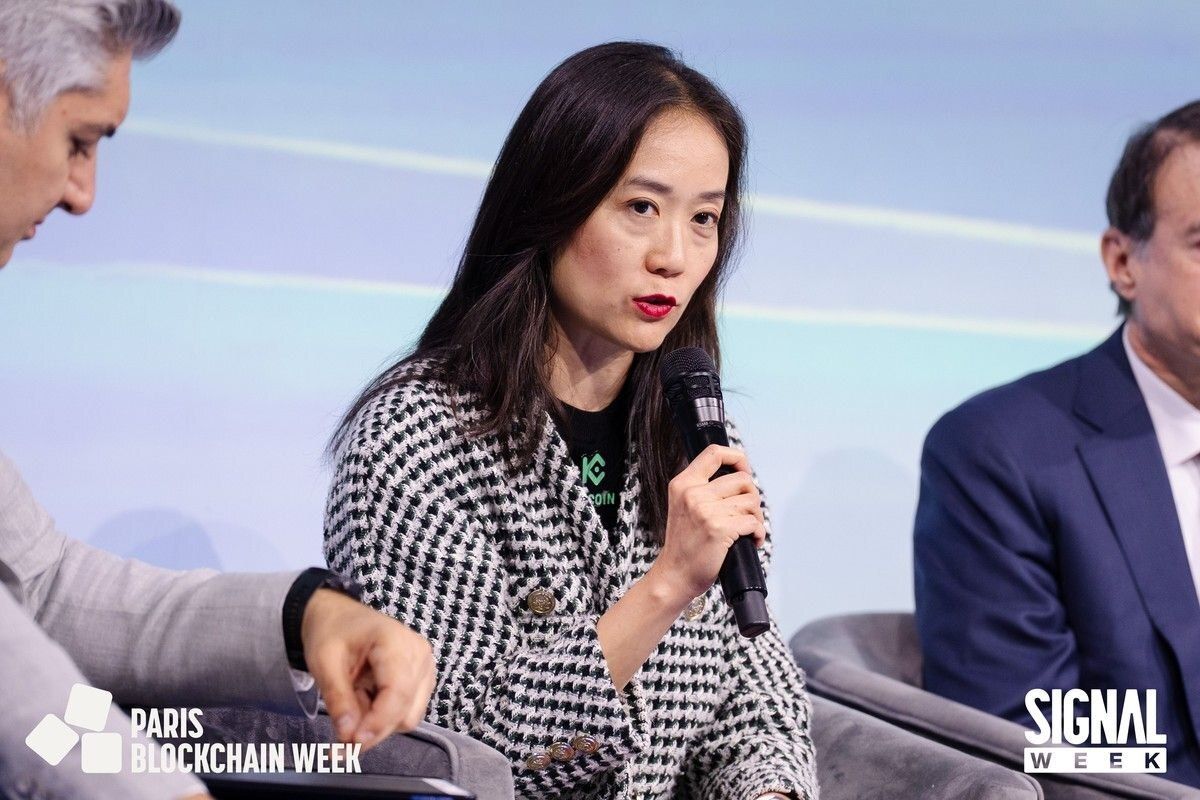

Paris Blockchain Week showed us how the digital asset market is developing in 2026. Discussion across the event focused on regulation, investor demand, tokenization, and the conditions needed for growth.
In an exclusive interview with BeInCrypto, Sabina Liu, Managing Director EU at KuCoin, shares her view on the current cycle, the rise of institutional participation, and the areas attracting the most attention in Europe.
The interview also covers macro liquidity, the outlook for tokenized real-world assets, Europe’s role in regulated digital asset growth, and the market assumptions Sabina Liu believes deserve a second look.
Q1. Your panel looks at the digital asset forecast for 2026. From where you sit, what feels genuinely different about this cycle?
This cycle feels different because activity is becoming less momentum-driven and more rooted in long-term market development. We’re seeing stronger institutional participation alongside continued retail engagement, with increasing convergence between TradFi and DeFi. That is influencing market flows, but also the way products are being designed and distributed across the ecosystem.
At the same time, areas like tokenization, particularly RWAs, are progressing from experimentation into adoption, especially on the demand side. This is being supported by greater regulatory clarity, participation from TradFi players, and the growth of on-chain infrastructure.
Overall, the focus is turning toward distribution and a more compliant, sustainable framework for long-term growth.
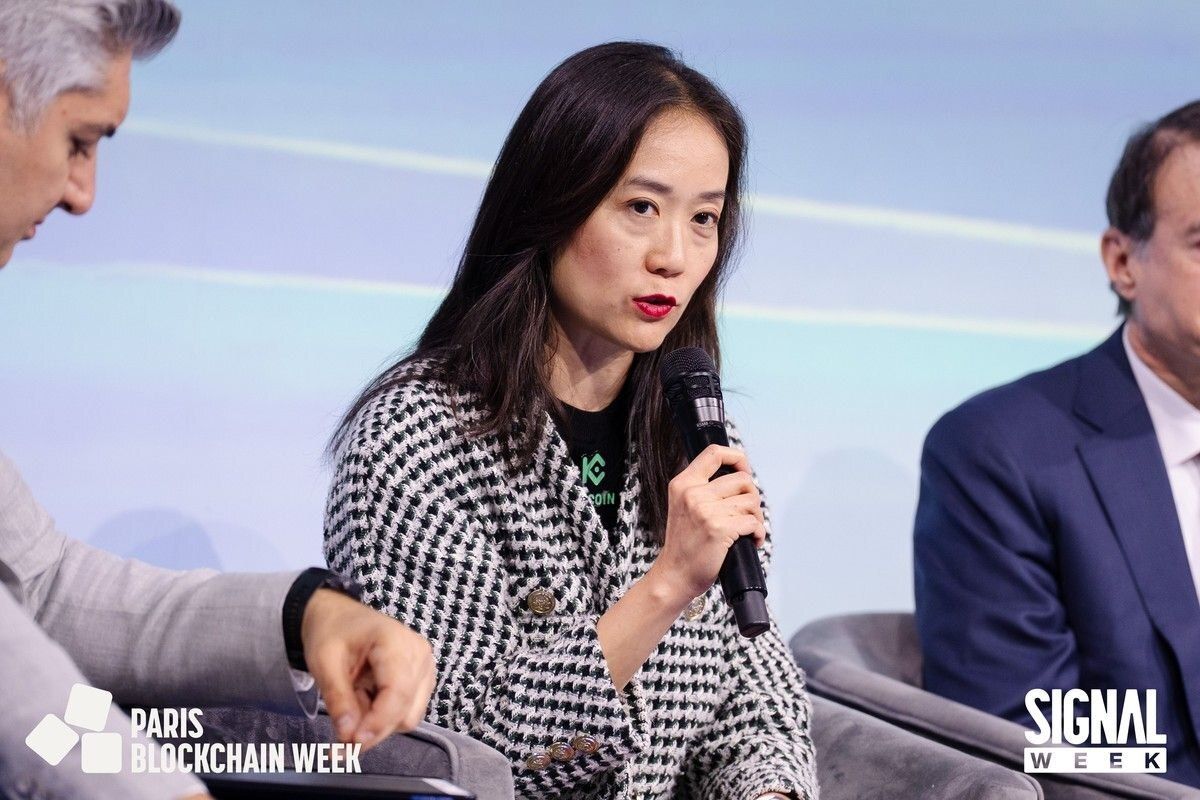
Q2. A lot of discussion this year links crypto more closely to macro liquidity. How much do you think broader liquidity conditions will shape digital asset growth in 2026?
Macro liquidity remains an important backdrop for digital asset markets, as it does across most asset classes. It can influence risk appetite, capital flows, and short-term market activity.
What also stands out in this cycle is how the market is developing beyond liquidity conditions alone. We’re seeing continued progress in infrastructure, growing institutional participation, and early traction in areas like tokenization and RWAs.
Liquidity may influence the pace of growth, but the durability of that growth will depend on structural factors such as regulatory clarity, product maturity, and the depth of market infrastructure.
Q3. RWA keeps coming up as one of the major opportunities ahead. What do you see as the main challenge in distribution today, especially in Europe?
Tokenization of RWAs is gaining momentum, but distribution remains one of the key challenges.
There is progress on the infrastructure and supply side, yet distribution still depends on the strength of the use case and the ability of participants or investors to access these products within a clear and consistent regulatory framework.
Scalable distribution will require alignment across infrastructure, regulation, and user access so RWAs can develop into more accessible investment products.
Q4. Do you think Europe is in a strong position to lead the next phase of regulated digital asset growth?
Europe is well positioned to play a leading role in the next phase of regulated digital asset growth. The region has taken meaningful steps to establish a clear and structured regulatory framework, which gives the market a strong base for trust across the ecosystem.
That clarity becomes increasingly important as the market matures and institutional participation grows. It allows platforms, counterparties, and investors to operate with greater predictability and confidence, which is essential for long-term capital formation.

Q5. Which types of institutions do you think are most likely to drive meaningful market growth in 2026?
Firms established under MiCAR in Europe are likely to play an important part in bringing further adoption among retail and institutional investors who have not previously participated in digital assets.
The rising issuance of stablecoins is also likely to drive innovation and payment use cases, which will require further tokenization of HQLAs.
At the same time, more institutional investors are allocating capital into the digital asset space. Overall, the market is developing into a more mature ecosystem.
Q6. There is a growing view that the real test for this market is not how much short-term capital it can attract, but how well it can support long-term capital. Do you agree?
To a degree, yes. Long-term capital supports market depth, resilience, and sustainable growth, while short-term capital can still drive activity. Both have a place in the ecosystem, and both serve different investment intentions.
For the market to support long-term capital effectively, it needs to demonstrate trust through compliance, governance, and reliable infrastructure. The platforms and markets able to meet those standards will be in the strongest position to support the next stage of growth.
Q7. Looking ahead through the rest of 2026, what is one market assumption you think people should stop repeating?
One common assumption is that the market will continue to behave mainly as a momentum-driven, retail-led cycle.
What we are seeing instead is a transition toward a more institutional and infrastructure-led phase, where capital allocation decisions are becoming more long-term and supported by clearer frameworks.
The post KuCoin’s Sabina Liu on Where Crypto Growth Is Coming From in 2026 appeared first on BeInCrypto.
Events,Cryptocurrency Market News,Editor’s Pick#KuCoins #Sabina #Liu #Crypto #Growth #Coming1776845629