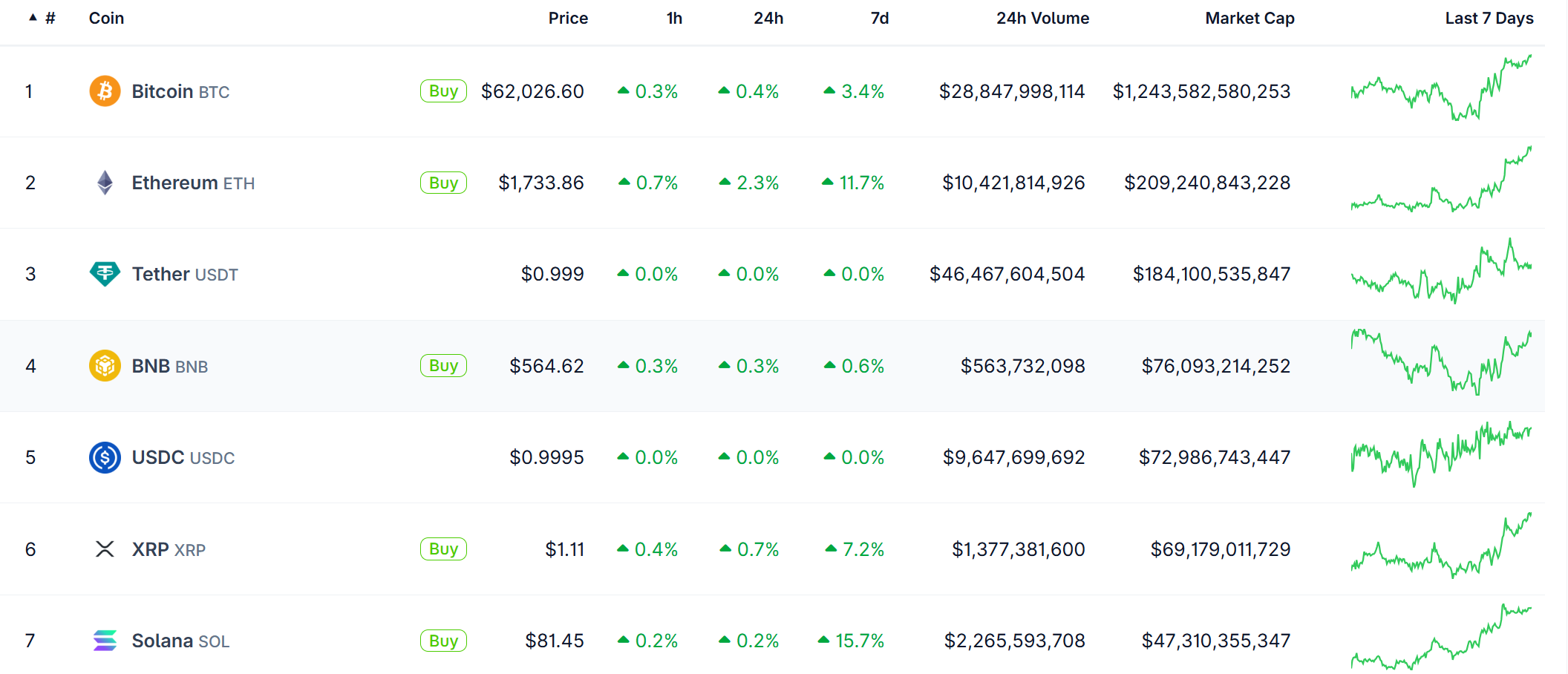

A formal complaint has asked Parliament’s standards watchdog to examine whether Reform UK leader Nigel Farage breached lobbying rules. This comes after Farage received donations from billionaire Christopher Harborne, who reportedly holds a 12% stake in Tether’s USDT stablecoin.
Labour MP Phil Brickell filed the complaint on July 2. He asked Parliamentary Commissioner for Standards Daniel Greenberg to review Farage’s private meeting with Bank of England Governor Andrew Bailey in September 2025.
The Rule Behind the Farage Crypto Lobbying Complaint
Official UK parliamentary guidance prohibits MPs from approaching ministers or officials on behalf of recent benefactors.
“Paid lobbying is prohibited. An MP who has received a benefit such as hospitality, a gift or payment must not for 12 months after receipt engage in … any approach to a minister, other MP or public official which would provide (or seek to provide) a financial or material benefit for the person or organisation which provided them with that … payment.”
The restriction is younger than it looks. The British Parliament doubled the ban from 6 to 12 months in March 2023, after Owen Paterson resigned in 2021. The standards committee found he lobbied for two firms paying him more than £100,000 ($133,500) a year.
Brickell, chair of Parliament’s anti-corruption group, reported Farage to Commissioner Daniel Greenberg. This is according to a report by The Guardian,
“This is not simply a debate about cryptocurrency. It is about whether an MP who has received millions from one individual should be lobbying for policies that could increase the value and profitability of that donor’s investments.”
Follow us on X to get the latest news as it happens
How the Timeline Tests the Rule
Farage reportedly accepted a £5 million gift from Harborne before the July 2024 general election. Greenberg is already examining whether that gift should have been declared, according to the BBC.
Farage also received two £25,000 donations from Harborne in January 2025 and February 2026. Reform UK received a further £15 million from the same donor.
The January 2025 donation is central to the lobbying complaint. Around eight months later, in September 2025, Farage met Bailey privately.
During that meeting, Farage reportedly urged the Bank of England to scrap its digital pound plans.
Nine months later, the Bank dropped stablecoin holding caps in favor of a £40 billion ($53.4 billion) issuance ceiling. Industry voices had warned the £20,000 ($26,700) cap could make businesses unworkable.
Farage has since claimed credit for the softer approach, the Telegraph reported.
That meeting fell inside the 12-month restriction period following the January donation. Brickell’s complaint asks whether Farage’s approach to the Bank could have provided a financial or material benefit to Harborne, given his reported Tether stake.

A second Labour MP, Joe Powell, has asked Bailey for details of the meeting.
Denials and No Findings Yet
Reform UK dismissed the claims entirely. Farage and Harborne maintain the gift was unconditional, and the Bank of England called the September meeting a routine engagement.
Greenberg is separately investigating whether Farage should have declared the £5 million gift, per the BBC. He has not yet said whether the lobbying complaint will trigger a formal inquiry. No wrongdoing has been established.
If a breach were found, sanctions range from an apology to suspension. Paterson faced a recommended 30 sitting-day suspension before quitting Parliament.
Farage’s own crypto exposure is growing. He made a £2 million Bitcoin (BTC) purchase in April. Meanwhile, the UK now bans crypto political donations outright.
Greenberg opening a formal inquiry could decide how firmly Parliament polices the 12-month rule in the crypto era.
The post A 12-Month Rule Could Put Nigel Farage’s Crypto Lobbying in Trouble appeared first on BeInCrypto.
Regulation,Bank of England,Editor’s Pick,Stablecoin News,UK Regulation,United Kingdom News#12Month #Rule #Put #Nigel #Farages #Crypto #Lobbying #Trouble1783100691