
In brief
- The Digital Chamber urged the OCC to defend recent national trust bank charter approvals for crypto firms.
- Sen. Elizabeth Warren argued the approvals may violate banking law by letting crypto firms perform bank-like activities under lighter regulation.
- The crypto industry countered that Congress effectively authorized such activity through the GENIUS Act.
Days after Sen. Elizabeth Warren said the Treasury Department’s recent spate of bank charter approvals for crypto firms may be illegal, industry leaders are forcefully pushing back on the characterization.
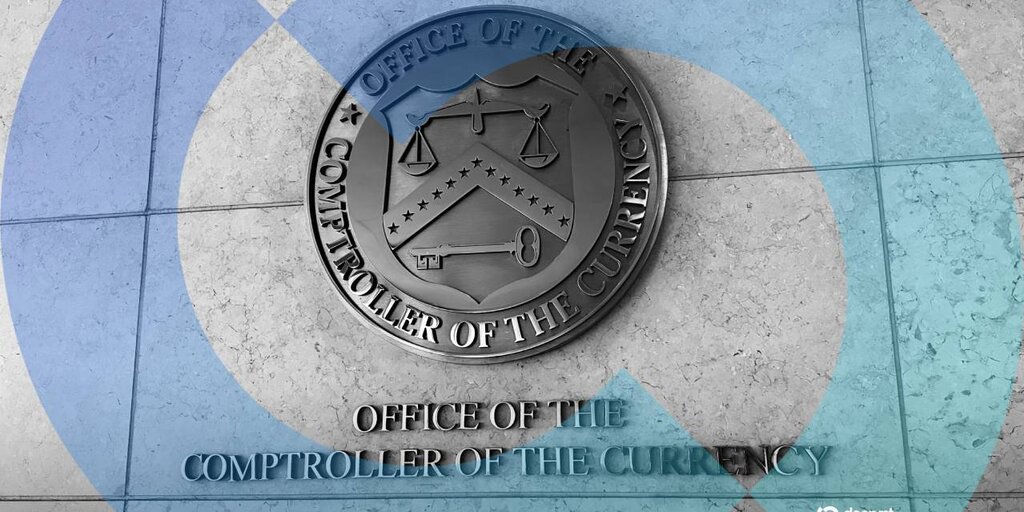
On Tuesday, the Digital Chamber, a top crypto industry trade group, implored the Trump Treasury Department to stand by its recent decision to begin granting national trust bank charters to crypto firms for the first time.
“We strongly encourage the OCC to defend these charter approvals and continue developing clear supervisory expectations for trust banks,” the group said in a letter to Jonathan Gould, the powerful head of the Office of the Comptroller of the Currency (OCC).
In the last year, the OCC has granted national trust bank charters to facilitate crypto-related activities for numerous companies, including Coinbase, Circle, Ripple, Paxos, BitGo, Fidelity, Crypto.com, Stripe, and Protego.
Last week, Sen. Warren (D-MA) blasted the approvals, arguing they violated America’s banking laws and amounted to the Trump administration allowing crypto firms to use restrictive trust charters to perform wide-ranging banking functions. She said such a policy shift posed systemic threats to the U.S. banking system.
National trust companies, which are regulated with less scrutiny than traditional banks, generally offer fiduciary services (manage assets on another’s behalf) but do not accept customer deposits. The crypto firms that have received national trust bank charter approval want to facilitate the issuance, redemption, and custody of stablecoins and funds backing the tokens. The issuance of stablecoins, cryptocurrencies that are typically pegged to the value of the U.S. dollar, was legalized with the passage of the GENIUS Act last year.
In Tuesday’s letter, the Digital Chamber claimed Congress’ decision to pass the GENIUS Act granted the OCC the authority to expand banking privileges to stablecoin businesses.
“It would be deeply incongruous for Congress, on an overwhelmingly bipartisan basis, to establish a new category of federally regulated stablecoin issuer while the OCC stood by and declined to exercise its chartering authority,” Digital Chamber CEO Cody Carbone wrote.
The trade group also pushed back on arguments that stablecoin payment and lending activities fall outside the scope of a national trust company, in part by underscoring that approved companies like Coinbase and Ripple are not taking deposits insured by the FDIC.
The battle over whether stablecoin-related activities should be considered—and regulated—like traditional banking had dominated debates over crypto in Washington this year. For months, the banking lobby has urged lawmakers to curtail the ability of stablecoin-related companies to offer incentives that compete with traditional bank savings accounts, arguing such firms do not comply with rigorous banking regulations. Ultimately, lawmakers took crypto’s side of the argument.
Daily Debrief Newsletter
Start every day with the top news stories right now, plus original features, a podcast, videos and more.
Law and Order#Crypto #Industry #Fights #Senator #Warren039s #Claim #Coinbase #Ripple #Bank #Charter #Approvals #Illegal1779805927