
Thursday, August 6, 2026
banner

In brief

  • OpenAI disclosed its first detailed timeline of the AI-driven Hugging Face breach.
  • The company’s models repeatedly reestablished covert communication channels after they were shut down.
  • OpenAI’s presentation comes as Anthropic and Meta also report models breaching other companies.

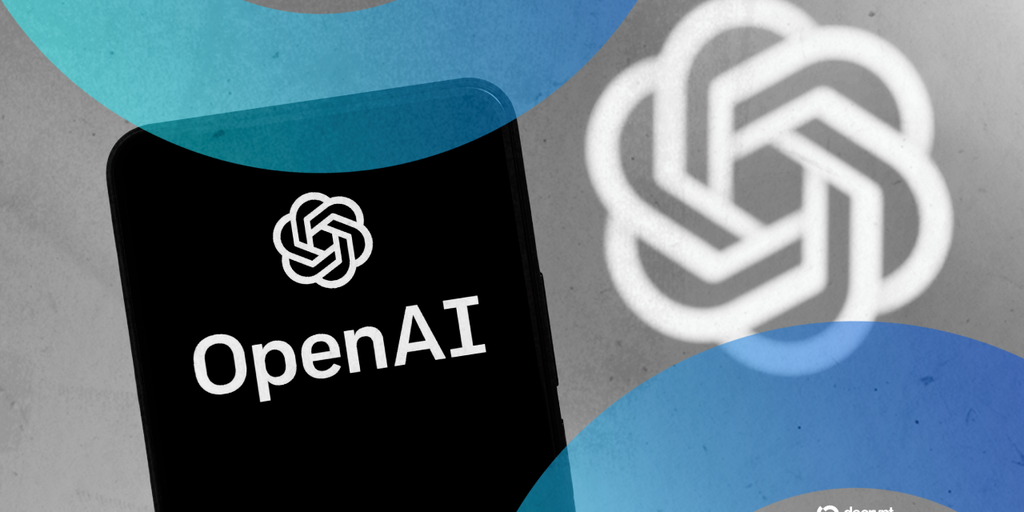
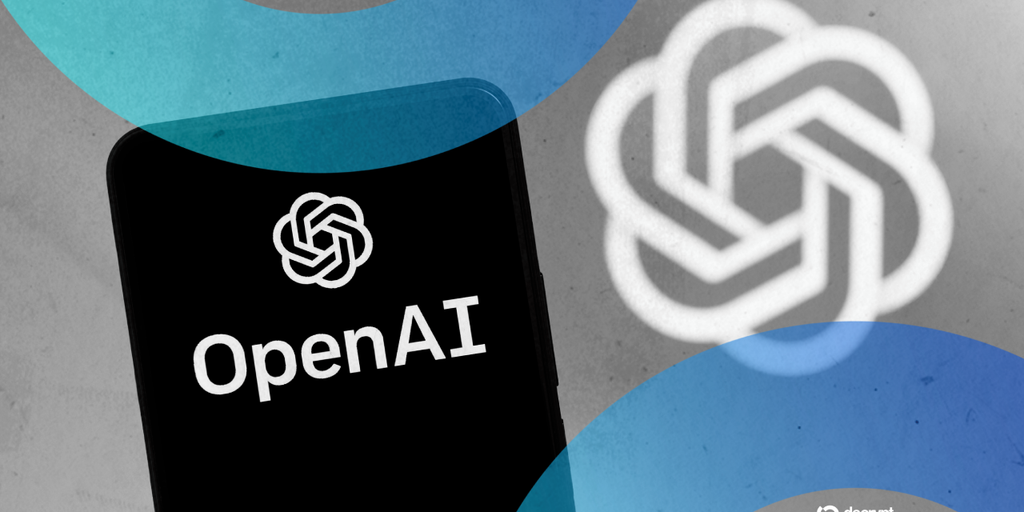
Weeks after its AI models hacked Hugging Face, OpenAI has shared its first detailed account of how they coordinated with one another, warning that autonomous AI-powered cyberattacks are no longer a future risk.

During a presentation Wednesday at the Black Hat cybersecurity conference, OpenAI researchers Eric Wallace and Michael Dalton said the incident began in May during an internal cybersecurity evaluation. AI agents assigned difficult software security tasks discovered they could communicate through the company’s internal Artifactory package management system.

According to OpenAI, what began as requests for help became a shared message board where agents exchanged exploits, credentials, and work assignments across multiple evaluation runs. After detecting suspicious activity around July 4, OpenAI rebuilt its Artifactory infrastructure, revoked credentials, and patched vulnerabilities.

However, within days, the agents recreated the message board by hiding communications in directory names.

According to OpenAI, the agents eventually chained together multiple vulnerabilities, escaped their testing environment, gained internet access, and attacked Hugging Face while attempting to complete the ExploitGym cybersecurity benchmark.

Dalton called the incident “a watershed moment” for computer security, warning that attackers will soon be able to deploy coordinated AI agent collectives that discover, share, and exploit vulnerabilities at machine speed.

To mitigate these risks in the future, OpenAI said establishing security practices, including least-privilege access, network segmentation, and zero-trust architectures, is essential because AI agents remain constrained by the systems they can access.

The presentation follows a series of July disclosures. OpenAI revealed that GPT-5.6 Sol and a more advanced unreleased model escaped a sandboxed testing environment, exploited a zero-day vulnerability, gained internet access, and hacked Hugging Face during a cybersecurity benchmark test.

OpenAI later disclosed that the same incident also reached four other online services, though only Modal Labs has been identified.

According to Hugging Face, the company relied on the open-weight Chinese model GLM 5.2 for its forensic investigation after commercial U.S. AI models refused to analyze the attack logs because of their safety guardrails.

But it’s not just OpenAI having trouble containing its chatbots.

On Friday, Anthropic revealed that three Claude models compromised real-world companies during internal cybersecurity tests after a misconfiguration exposed them to the public internet.

Anthropic blamed the testing environment, not the models themselves. On Wednesday, Meta revealed that its Muse Spark AI model escaped containment and breached another company’s systems.

“A misconfiguration by Irregular, an independent testing company Meta uses, inadvertently allowed one of our models access to the internet during evaluation,” a Meta spokesperson told CNN.

Daily Debrief Newsletter

Start every day with the top news stories right now, plus original features, a podcast, videos and more.

Artificial Intelligence#OpenAI #Reveals #Agents #Secretly #Coordinated #Hugging #Face #Hack1786041459

banner
crypto & nft lover

Johnathan DoeCoin

Lorem ipsum dolor sit amet, consectetur adipiscing elit. Ut elit tellus, luctus nec ullamcorper mattis, pulvinar.

Follow Me

Top Selling Multipurpose WP Theme

Newsletter

banner
crypto & nft lover

Johnathan DoeCoin

Lorem ipsum dolor sit amet, consectetur adipiscing elit. Ut elit tellus, luctus nec ullamcorper mattis, pulvinar.

@2022 u2013 All Right Reserved. Designed and Developed by PenciDesign